Showing posts with label Waltham Abbey. Show all posts

Thursday, 29 March 2018

Work Record 6; Waltham Abbey

Work Record 6; Waltham Abbey

Plans for Shoot;
In this shoot I plan to document the nature land uses in Waltham Abbey. In my previous shoots I have looked at the man-made land uses but I need to develop my shoots further by looking at different types of land uses. Also, in my previous shoots I have looked at the double exposure effect which I need to develop further by experimenting with different locations. In Waltham Abbey there is a forest tucked away, this is where I plan to take images. By completing this shoot this will further my response to the land use exam title. 

Research Influence;
In this shoot I have been influenced by Ansel Adams because of his use of tones in natural landscapes. In this shoot I am going to be looking at natural landscapes and editing them to link back to Ansel Adams which is why I have included him in my research influence.


In this image we can see a landscape image of some mountains, the main feature is the tree in the centre of the image. The tones that are used in this image portray both negative and positive atmospheres, the sky contains lighter tones and the trees contain darker tones. The message portrayed in this image is negative because of the way the tree is drooping links to a depressing atmosphere. All the other elements in the image are of lighter tones which makes the tree stand out more because it is darker than the other features. This image influences the approach that I am going to take in my shoot because I need to find areas to photograph that send messages similar to this image. The main aspect I am looking at in Ansel Adams work is his use of the zone system to create different effects on the images. 

Contact Sheet:
The images that I took during this shoot are all presented in the contact sheet below...


Best Images:


This is one of my best images because I think it shows the main features of this landscape. The main focus of the image is the tree in the centre of the image but our attention is also drawn to the other elements around the tree such as the logs on the floor. I think after editing this image it can relate closely to Ansel Adams if I use his idea of the zone system to create different tones in this image. This image is a response to land use because it shows the natural elements of land uses which can be compared to the man-made land uses I have presented in my other shoots. 


My main focus in this shoot was to capture these images at a wider angle because the previous natural land use images I was taking didn't relate to the man-made images. I think this image is one of my best images because it shows the natural landscape at a wider angle which I can use when completing the double exposure techniques that I have been previously carrying out. A lot of the other images I took were not in focus which resulted in this being one of the best images, I can progress this image further by going back to this area and photographing deeper into the landscape.


This image shows a natural landscape like the two previous images but this one is different because it includes a person within the image which none of my other shoots do. I chose to include a person within this image because it gives the landscape a natural and man-made effect. Although we are in a completely natural landscape there are still features of human work wherever we go. I think this is one of my best images because of the message it gives and because of the small details that also tell a story. The rubbish at the front of the tree can relate to the message that this image sends, man-made objects ruin the natural land uses.

AO3: Record ideas, observations and insights relevant to intentions, reflecting critically on work and progress.

By looking at the images that I have produced I believe that I have developed my response to land use and created several images that can be used in my editing process or my portfolio. My previous shoots of Waltham Abbey were good and they did contain images that I am going to use and that relate to land use but I didn't express the natural element in the shoots enough. In this shoot I have expressed the natural land uses the most, by looking at both of these land uses I can use all the images to produce comparisons between nature and buildings. The only element that I need to improve on in these shoots is the use of a tripod more often and for all of the images because this will achieve more images that are in focus as some of my images didn't come out in focus. After the editing process of these images they will relate to the photographer that I have researched more clearly. Ansel Adams produces all of his images in black and white which is how I am going to develop my work to relate to his. 

With regards to my best images...
Although I have only included three best images in this section I have still succeeded in this shoot because I have produced some images that I can use to relate to the natural land uses. These images were the best out of my shoot, as I said previously I needed to use a tripod more often in this shoot to create images that were completely in focus as some of them were slightly out of focus. To progress my work further I need to use these images to edit some of my other images that I have taken, for example carrying on with the double exposure edits I created.

AO2: Explore and select appropriate resources, media, materials, techniques and processes, reviewing and refining ideas as work develops.

To take these images I used a Nikon D3300 with a tripod. The settings I used stayed the same throughout this whole shoot because I needed to create all landscape images. I used a high f stop to achieve a wide depth of field so I shot at f/20, the shutter speed was at 1/6 and the ISO stayed the same at 100. These settings helped me achieve these images, I worked at landscape settings which helped make these images work.

Next I took some of these images into Photoshop...


To edit this image I carried out the curves and levels steps to brighten the image and bring the background into the image more. After this I made the image black and white to relate it back to Ansel Adams to show different tones within the image. The darker tones are displayed in the trees and the lighter tones are presented in the sky. I chose to create the darker tones in the middle ground because this is where the main focus of the image is. 


I used an image from this shoot and an image from the shoot I carried out at Vauxhall to create a double exposure effect like I have in the previous shoots. I chose to change the two images into black and white to merge the image better because of the different colours in both of the images. When putting both of the images into Photoshop I used the mask layer and the paintbrush tool to gradually bring the images together. I think that this image relates more to land use when they are combined because it shows how the natural and man-made land uses come together. 


As well as changing this image to black and white I also experimented with different colour settings. In the edited image above I used the orange filter to add effect to the image. I chose to edit it in this way because it creates a negative effect on the image as it gives an eerie atmosphere. The orange colour is bolder towards the background of the image which makes the sky stand out as wells as the trees in the foreground.

AO4: Present a personal and meaningful response that realises intentions and, where appropriate, makes connections between visual and other elements. 

I have chosen to include these four images in my response to land use because they all show connections to land use. I have chosen to keep the images in black and white to link them back to the photographers I have looked at such as Ansel Adams. The first few images all contain different tones within the landscape which relate to Ansel Adams because of his use of the zone system. With regards to the double exposure effect I have created I think this works well because it shows how the natural and man-made land uses link together which is the main idea that I have expressed in my work. Finally, the image with the orange filter doesn't necessarily fit well with the other images but it shows how I am refining and developing my work to show different effects can be created in images. 


Progression:
To progress these images further I need to experiment with the computer and physical experiments more to create ideas related to land use which I can use in my future portfolio. Personally I believe that I need to create more images that are focused directly on land uses, to do this I need to visit the locations that I already have and take further pictures. With regards to camera settings and techniques I believe that I have worked with this well the main thing I need to look at is the focus of the images.  


Thursday, 22 March 2018

Work Record 5; Waltham Abbey M25

Work Record 5; Waltham Abbey M25

Plans for Shoot:
Within this shoot I plan to create light trails on the M25 bridge of the traffic going past. I think this will be a good response to the previous images that I have created because it shows how I am refining and developing my work and experimenting with different techniques. By creating light trails it will show how I am experimenting with the techniques and the camera settings. This will establish a further response of land use because it will show the land uses at different times in the day.

Research Influence:
To research into this idea that I have regarding light trails, I looked at a photographer who isn't as famous as the other photographers but he uses the technique of light trails well. The photographer that I have looked at is Ian Egner. 


In this image we can see that Egner has created a light trail with his camera. This image relates to land use because it shows how the man-made land use of a road is constantly used by people, this is shown by the extent of the light trail formed. I want to carry this technique on within my work because it adds an effect to the image that I am taking. This photographer doesn't necessarily focus on land use but he does show how land is used within his images. I chose to research him because I want to use his idea of the light trails. 

Contact Sheet:
Below are the images that I have taken within this shoot 5...


Best Images:


I took this image of the M25 using the light trail effect, to gain this effect I had to change the camera settings. This image shows land use because it includes a road which is one of the main forms of land use as it is used mainly for transportation. The effect doesn't add anything to the land use idea but it does create an aesthetically pleasing image. By using this technique it shows how I am refining and developing my work to create different effects within my images. To take this image further I could put it in photoshop and edit it in black and white to develop my work further.


This image was taken in the same place as the previous image but with different camera settings to achieve a different type of light trail. To show how I am refining and developing my work I experimented with the camera settings to create different amounts of light trails. The shutter was open for a shorter amount of time within this image to create this effect whereas in the previous image it was open for a lot longer. Very similar to the image before the effect doesn't further the approach to land use it just added and aesthetically pleasing effect and shows how I am experimenting with my shoots. 

AO3: Record ideas, observations and insights relevant to intentions, reflecting critically on work and progress.

By looking at the bank of images that I have created I believe that I have progressed my work and refined it by working with new techniques. The previous shoots that I have taken in Waltham Abbey are very different to this shoot that I have carried out because they were all taken during the day whereas I carried this shoot out during the night. This shoot also has a different approach, this shoot was focused on the technique rather than the double exposure effect that I used in the previous 2 Waltham Abbey shoots. The images that I have taken relate back to the photographer Ian Egner because I have used his idea of the light trails in all of the images. 

With regards to my best images...
I have only chosen to present two of my images within this shoot because all of these images in the shoot are similar. These two images show how I changed my camera settings throughout the shoot and created different techniques with the settings. The main idea for land use in my work is the difference between man-made and natural land uses, this shoot focuses on the man-made land use of a road. To progress my work further I could take the images at different angles to capture the light trails as this would've provided a wider response to the exam title. 

AO2: Explore and select appropriate resources, media, materials, techniques and processes, reviewing and refining ideas as work develops.

To capture these images I used a Nikon D3300 and a tripod. With regards to the camera settings I changed them when capturing different amounts of light, the main feature that I was changing was the shutter speed. My images range from a shutter speed of 1 second to a shutter speed of 30 seconds. The photos with more light trails had the longer shutter speed, at 30 seconds and the photos with less light trails were taken at 3 seconds or less. By changing the camera settings it shows how I am developing my work and changing the settings to compliment the techniques I am tying to create. The ISO stayed consistent at 100 and the f stop changed with the shutter speed so it ranged from f/3.5 to f/13. By using these settings I believe that I have created a good outcome and a solid bank of images.

Next I took some of the images into Photoshop...


To edit this image I used the curve layer to make the image seem darker to black out the background of the image to focus on the light trails. After this I changed the image to black and white to make the background completely black and make the light trails white. By editing it in this way it draws attention to the light trails which is the main aspect of this shoot that I focused on. This emphasises the light trails and combines them as one. It also links back to land use because it shows focus on a man-made land use.


To edit this image I used the curve filter to darken the image to reduce the brightness of the background to focus on the light trails. Also, to compare the image to the black and white image I changed the hue and saturation of the image making the light trails different shades of purple. This creates a more abstract effect and an unrealistic approach which shows how I am refining and developing my ideas within the shoots. 


As well as editing the images by changing their colours I have also used the double exposure effect which I have focused on in my previous shoots. In my previous shoots I shot in the same place, the M25 bridge, so I decided to combine these two images to show night and day combining to one. I think this is a good effect because it shows the light trails as well as the actual cars in the other image. 

AO4: Present a personal and meaningful response that realises intentions and, where appropriate, makes connections between visual and other elements. 

I have chosen to include these three images as my final ones because they all produce my response to land use which is the difference between the man-made and natural land uses. I think I have produced a good response to this because I have focused on the man-made land uses. I have chosen to use all three images that I have edited because I think they look better than the original images. These images all relate back to my research influence Ian Egner as he focuses on light trails on public roads. I believe that these images I have taken will fit into my portfolio at the end of the project and will connect with the previous shoots I have completed.


Progression:
To progress these images further I need to focus on the natural aspects of land use so I can use them to compare to these man-made land uses. Also to further my project I need to focus on the physical experiments I am going to use because I have already established the computer experiments that I am going to use. My next two shoots will be at the Olympic Park to capture more man-made uses and at Waltham Abbey where I will capture the natural landscapes instead of the M25 to broaden my land use ideas. 

Thursday, 15 March 2018

Work Record 4; Waltham Abbey

Work Record 4; Waltham Abbey 

Plans for Shoot:
Within this shoot I plan to experiment with the camera settings to change the blur of the moving cars on the M25 bridge. In my previous shoots I have experimented with the double exposure effect on Photoshop, I want to experiment with this further so as well as documenting the M25 I want to document some nature images that I can incorporate within this experiment. Regarding land use I am hoping this shoot will show the difference between man made and natural uses.

Research Influence:
A photographer that has influenced all of my shoots is Ansel Adams because of his use of the zone system. The darker tones and lighter tones of his images establish the atmosphere within the image which can be linked with negative and positive land use.


In this image we can see cranes creating a buildings, in the left hand side of the image there is a structure being built. The tones used within this image are darker because it shows a negative use of land as more buildings are being built resulting in an absence of nature. I think this image links well within the idea that I am trying to portray because it shows a lack of nature and any nature present within the image is of darker tones so lacks details. A lot of Adams work focuses on the nature landscapes which doesn't show a direct link to land use so I picked this image because it shows how land is used in modern day and how buildings are constantly being built. The main aspect I am taking from Ansel Adams work is his used of the zone system and the different tones he uses in his work.

Contact Sheet:
The following images are part of this shoot I carried out in Waltham Abbey...


Best Images:


This is one of my best images from this shoot because it shows a gradual blur which is what I was hoping for. In my previous shoot in Waltham Abbey I didn't experiment with the settings as much as I could which impacted on the photos I produced. By experimenting with the settings in this shoot I was able to produce different variations of blur from the moving traffic. I wanted to capture an image like this to use in the double exposure effect I am planning on creating, I managed to already create one in the first Waltham Abbey shoot but I think I can do a better one with these images that I have taken. To improve this image I am going to edit it and make it black and white which will link it strongly with Ansel Adams work. 


This image is similar to the previous image I took because it is of the M25. This shows how I am experimenting with the camera settings because there is less of a blur in this image. I wanted to capture an image with less blur of the moving traffic as it will work differently when I am producing the double exposure images in the computer experiment section. Similar to the last image I am going to improve this image by editing it in black and white which will again link it back to Ansel Adams. Regarding land use this image shows a man-made land use, it shows how the road has been built through nature due to the trees and bushes either side of the motorway.


In this image we can see a close up of a bush, this is a very random image within my shoot like some of the other nature images I have shot. When creating the double exposure effect I wanted to take some images that were close ups rather than landscapes which would work better. I chose to take some close ups of this bush because it lacked sky and I think it would work better as a natural land use when merged with the M25 images. I will also experiment with this image in photoshop by making it black and white as this will link to Ansel Adams more than the previous images because he documents black and white nature images.

AO3: Record ideas, observations and insights relevant to intentions, reflecting critically on work and progress.

By looking at the images that I have produced in this image I think I have refined and developed my work better than the first Waltham Abbey shoot that I carried out. I have experimented better within this shoot with the camera settings which has helped me achieve different variations of blur and has helped me establish the computer experiments I am planning on carrying out. In my previous shoots I commented on the lack of nature that I didn't document within my work but in this shoot I believe I have done that well. All of my images link back to the photographers I have researched, the main focus in this shoot was Ansel Adams. After editing my images I will be able to link them back to Adams' images more. His use of the zone system will enable me to experiment with darker and lighter tones within Photoshop.

With regards to my best images...
These three images are the main images I am looking at within my shoot because they show the main idea within this shoot, the M25 and the nature land uses. Within my work I am trying to establish the difference between old and new land uses but I am also incorporating the natural land uses within my work too. These images all represent these ideas and by developing the images further it will widen the meanings within my work. To progress my work even further I think I could've documented more landscapes within this area to show how the man-made land uses are surrounded by nature and how they are ruining these natural landscapes.

AO2: Explore and select appropriate resources, media, materials, techniques and processes, reviewing and refining ideas as work develops.

To document these images I used a Nikon D3300. Regarding the camera settings, to create the blurred traffic image I used settings of, 0.3 second shutter speed, f/25 and ISO 100. These settings helped me achieve the blurred image because the shutter was open for a long amount of time allowed the blur to be captured. To capture the less blurred images I used seeings of, 1/25 second shutter speed, f/10 and ISO 100. These settings helped me achieve this image because the shutter was open for less time capturing less of a blur. By experimenting with these settings it enabled me to capture the different images.

Next I took some of the images into photoshop...


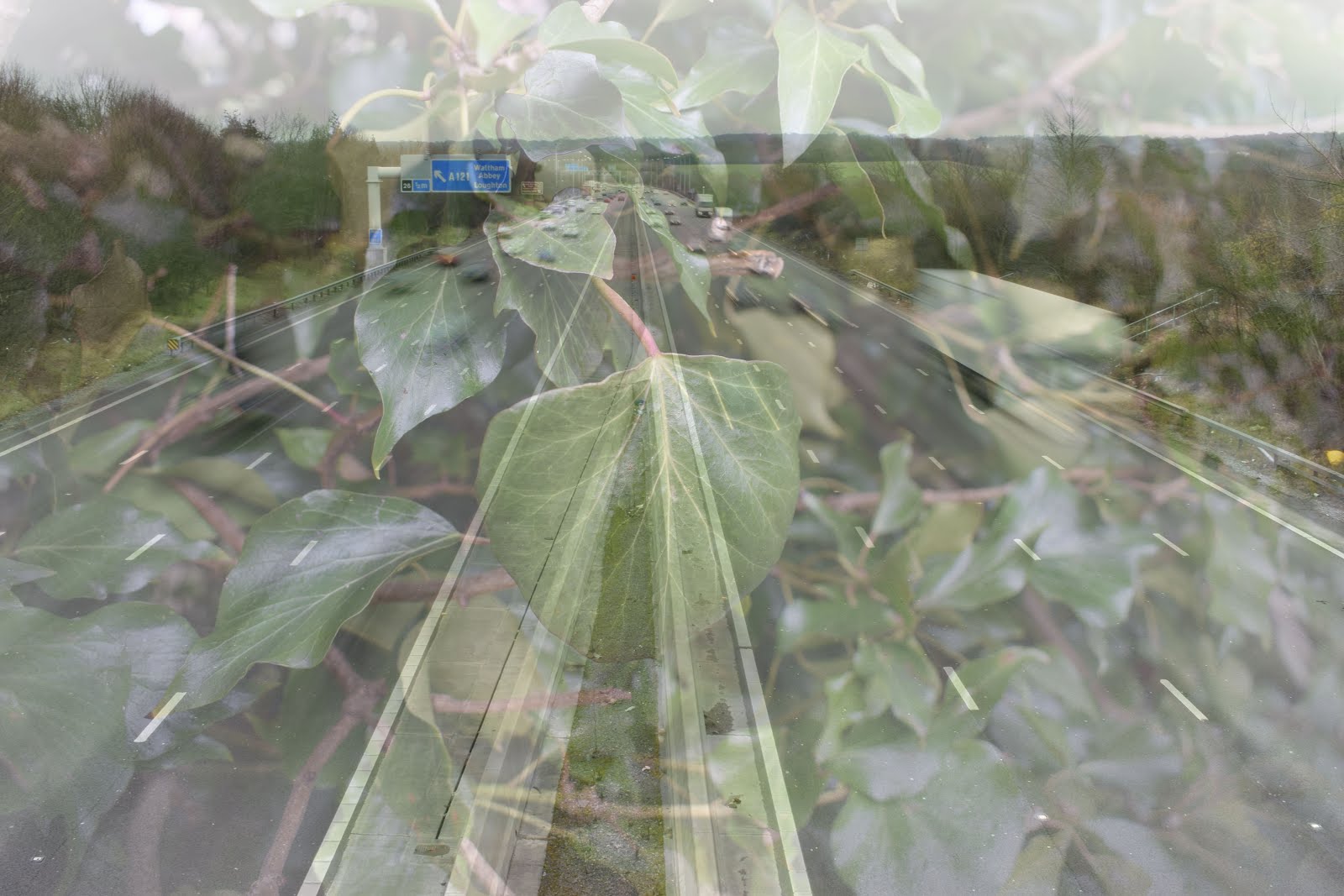
This is an example of another double exposure technique that I have carried out in Photoshop, I chose to use these two images to carry out this computer experiment because it shows how the man-made land uses combine with the natural land uses. I chose to use these two images because it documents both of the ideas that I am trying to portray, man-made land use and nature land use. I think the double exposure effect works well as it shows a link between both of the images. By creating these double exposure edits it explores more into my work and shows how I am refining and developing my work. 


This is another edit which I carried out in Photoshop, the main feature in this image is the black and white effect which links back to Ansel Adams and portrays his use of the zone system. I used darker and lighter tones for this image because it shows a link between the man-made land use and natural land use which are both present in the image. I wanted to use this image to edit this in black and white because it is one of the best images from my shoot and I think the black and white adds a great effect on the blur of the moving cars. I have decided to make the majority of my images in black and white because of the photographers I have researched all document their images in this way.


This is another example of the double exposure effect that I have carried out in all of my previous shoots. I chose to use the less blurred image of the motorway with a image of tree branches because like the previous image it includes the natural and man-made land uses. I chose to document it in black and white and colour because it shows different approaches to my work. I am focussing on the black and white image because it links back to Ansel Adams and the photographers that I have researched. I am beginning to refine and develop my work further by editing images in Photoshop.

AO4: Present a personal and meaningful response that realises intentions and, where appropriate, makes connections between visual and other elements. 

These images below show a meaningful response to land use as I have experimented with man-made and natural land uses which is the main factor in my ideology. I have chose to use these double exposure images in my final response because they add more meaning to my images and show how the different land uses are linked. These images also link to Ansel Adams and other photographers that I have researched. The main idea I have used within this shoot is the zone system which is taken from Ansel Adams, I chose to use this technique to create the different atmospheres in the images. I believe that I have chosen these few images to present a meaningful response and they all show how land is used in this area. 

Progression:
To progress my work further after this shoot I am going to attempt to take images in the dark of the same bridge to get the light effect from the cars because this will add more depth of meaning into my series of images. Regarding the experiments that I am going to carry out I need to progress with the physical experiments. I am planning on using water colours to add different colours into the images I have taken. As well as taking images of the roads I need to experiment further into London which is why I am also going to attempt to take images in the Olympic Park as this will further my ideas.

Interim Evaluation

Interim Evaluation I carried out research by looking at different photographers who investigated land use and documented it in the way I w...